Why is my dishwasher making a loud noise?
A loud dishwasher is usually a worn motor, a jammed pump, or loose hardware. Here's how to pinpoint the noise and fix it before it floods your Alabama kitchen.
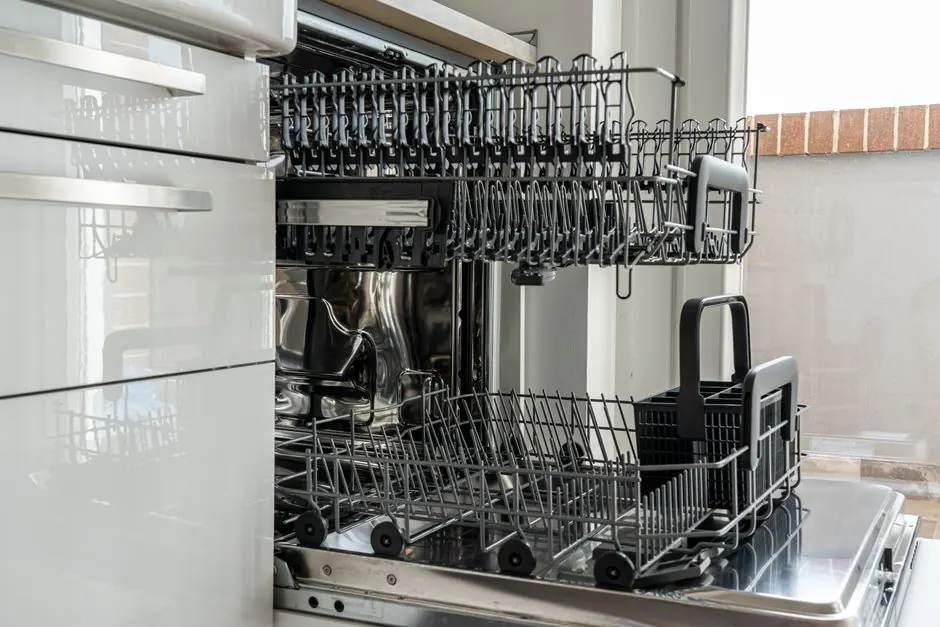
Your dishwasher is making a loud noise because something inside the wash system has worn, loosened, or jammed - most often the circulation pump, the drain pump, or the motor that drives them. In Alabama, hard water and sandy soil accelerate that wear, so a machine that ran quiet for five years can start grinding or rattling by year six. The rest of this post walks you through each noise type, what it means, and how to decide between a DIY fix and a service call.
The short answer: what a loud dishwasher is telling you
A loud dishwasher is a warning that a moving part is failing or that debris is trapped where it shouldn't be. The noise itself is a symptom, not the problem. A grinding sound points to the motor or pump. A rattling sound points to loose dishes, a worn rack, or a foreign object. A humming sound that never turns into a wash cycle points to a seized pump or a bad motor capacitor.
If you ignore it, the failing part usually takes other components with it. A pump that seizes can burn out the control board. A motor that overheats can warp the sump. Catching the noise early is almost always cheaper than waiting for the machine to stop draining or stop cleaning altogether.
Why is my dishwasher making a loud noise in Alabama?
Alabama water is the single biggest reason dishwashers here get noisy earlier than the national average. Much of the state draws from limestone aquifers, which means water hardness in the 8 to 12 grains-per-gallon range in many service areas. That calcium and magnesium settles on pump impellers, motor bearings, and heating elements. Over 18 to 24 months, that scale buildup throws the pump out of balance and turns a quiet hum into a grind.
Soil is the second factor. In sandy parts of the state - think Baldwin County, the Wiregrass, and the Black Belt - fine grit gets past the filter and into the sump. That grit acts like sandpaper on the pump seal and the motor shaft. We see this most in homes on well water or older municipal lines where sediment isn't fully filtered.
Age and humidity round it out. Alabama's average dishwasher is 7 to 9 years old, and coastal humidity in Mobile and Baldwin County corrodes wire terminals and motor housings faster than in drier states. If your machine is past year eight and suddenly loud, the odds are high that a bearing or seal has reached the end of its service life.
The 6 most common noises and what they mean
Match your noise to the list below. Each one has a different cause and a different repair path.
1. Grinding or growling
Grinding is the classic sign of a failing circulation pump or motor bearing. The impeller is either hitting scale buildup or the bearing is shot. On most Whirlpool, KitchenAid, and GE models, this means replacing the pump and motor assembly. A Dishwasher Motor Replacement in Alabama typically runs $220 to $380 in 2026, including parts and labor.
2. Rattling
Rattling is almost always mechanical looseness, not a failing motor. Check the dish rack first - a wine glass stem or a lightweight plastic container can vibrate against the spray arm. If the rack is empty and it still rattles, look at the spray arm nut, the door hinges, and the mounting brackets under the counter. A Dishwasher Door Latch Repair in Alabama often solves a rattle that seems to come from the door but is actually a loose latch assembly.
3. Humming that won't stop
A steady hum with no water movement means the drain pump is running but not moving water, or the circulation pump is seized. On older machines, a failed run capacitor produces the same symptom. Cut power at the breaker before you investigate - a seized pump can overheat in under two minutes.
4. Squealing or whining
Squealing is usually a dry motor bearing or a worn belt on belt-driven models. It gets louder as the cycle progresses and the motor heats up. This is one of the few noises that rarely fixes itself and almost always needs a motor or bearing replacement.
5. Banging or thumping
Banging means something solid is loose inside the wash chamber. A broken piece of a dish, a bone, or a piece of glass can bounce off the spray arm. Stop the cycle, pull the lower rack, and inspect the sump and filter. If you find glass, wear gloves - it will be sharp.
6. Gurgling or slurping
Gurgling at the end of the cycle is usually a drain issue, not a motor issue. The drain hose may be kinked, the air gap may be clogged, or the garbage disposal knockout plug may still be in place. A Dishwasher Not Draining Repair in Alabama call is the right move if water stands in the tub after the cycle ends.
Dishwasher making noise troubleshooting Alabama homeowners can do
Before you call anyone, run through these five checks. They take about 20 minutes and solve roughly one in four noise complaints we get.
- Kill the power. Flip the breaker or unplug the unit. Never reach into a dishwasher that has power running to it.
- Empty and inspect the tub. Pull both racks. Look for glass, bones, toothpicks, or a stray utensil in the sump and around the spray arms.
- Check the filter and sump. Remove the cylindrical filter and the flat filter underneath. Rinse them in the sink. If they're coated in white scale, soak them in a 50/50 white vinegar and water solution for 30 minutes.
- Spin the spray arms by hand. They should turn freely. If they grind or catch, the arm is warped or the nut is too tight.
- Look at the drain hose. Under the sink, make sure the hose loops up high before it connects to the disposal or drain. A flat, low loop lets dirty water sit in the hose and gurgle on every cycle.
If the noise persists after those five steps, the problem is internal. That's when a professional diagnosis saves you money - guessing at parts gets expensive fast.
One more thing worth knowing: Alabama's hard water means your machine needs more than a filter rinse. A yearly Dishwasher Maintenance in Alabama visit - descaling the pump, checking the seals, and testing the heater - adds three to five years to the average unit's life. We do that service across the state, and it's the cheapest insurance you can buy for a dishwasher in this water.
What to watch out for (common mistakes)
Most of the expensive dishwasher repairs we see in Alabama start with one of these mistakes.
- Running the machine to "see if it clears up." A grinding pump does not heal. Every cycle pushes metal shavings through the wash system and into the spray arms.
- Using too much detergent. More soap does not mean cleaner dishes. In soft-water areas it creates suds that overflow and short the control board. In hard-water areas it leaves a film that accelerates scale.
- Ignoring the air gap. That small chrome cylinder on the sink is a code-required backflow preventer in most Alabama jurisdictions. When it clogs, the dishwasher gurgles and drains slowly.
- Replacing the pump without checking the motor. On most models the pump and motor share a shaft. If the motor bearing is worn, a new pump will fail within months.
- Letting a leak ride. A slow drip under the door corrodes the frame and the floor. What starts as a $180 Dishwasher Leak Repair in Alabama becomes a subfloor repair if you wait.
When to call a professional
Call a professional when the noise continues after you've cleared the tub, rinsed the filter, and checked the drain hose - or when you see water, smell burning, or the breaker trips mid-cycle. Those three symptoms point to electrical or pump failure, and they are not DIY territory.
We handle this every day. Our technicians carry pumps, motors, and control boards on the truck, so most repairs are done in a single visit. We diagnose first, quote a flat price before we start, and test the full cycle before we leave your kitchen. If the machine is in a rental or a home you're selling, we can document the repair for your records.
If you're in the Huntsville or Birmingham metro, we also cover the surrounding communities - including Dish washer Repair in Hoover and the rest of Jefferson and Shelby counties - with same-day appointments most weekdays.
Frequently Asked Questions
Why is my dishwasher making a loud noise in Alabama?
Hard water is the leading cause. Alabama's 8 to 12 grain water leaves scale on pump impellers and motor bearings, which turns a quiet hum into a grind within 18 to 24 months. Sandy well water and coastal humidity make it worse.
What causes dishwasher grinding noise in Alabama?
Grinding almost always means a failing circulation pump or motor bearing. Scale buildup or grit has thrown the impeller out of balance. On most models, the fix is a pump and motor replacement, typically $220 to $380 in 2026.
How do I fix a noisy dishwasher in Alabama?
Start by killing the power, clearing the tub and sump, rinsing the filter, and checking the drain hose loop. If the noise continues, the pump or motor is worn and needs a professional replacement. Most single-visit repairs take 60 to 90 minutes.
Can a loud dishwasher be repaired in Alabama?
Yes, in most cases. A loud dishwasher is usually a repairable pump, motor, or drain issue rather than a dead machine. Replacement only makes sense when the unit is past 10 years old and the repair exceeds half the cost of a new one.
Get help with Dish washer Repair in Alabama
If your dishwasher is grinding, rattling, or humming and you've run out of patience, we can help. Dish Tech Repair Pros serves homeowners across Alabama with flat-rate pricing, same-day appointments, and a full-cycle test before we leave. Call +12059641984 to book your repair.